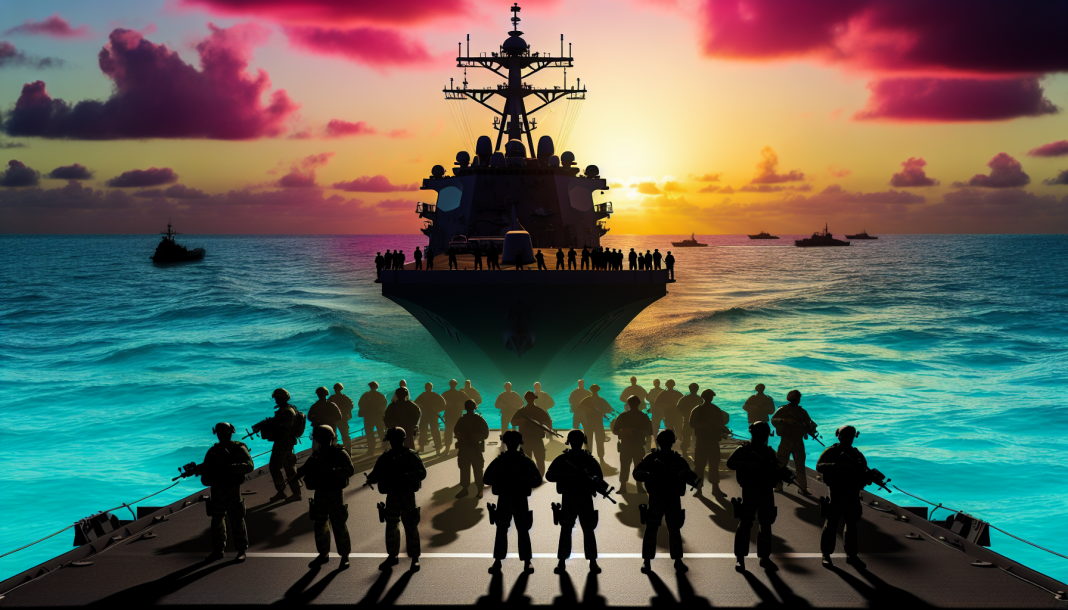


Nestled between concerns of escalating tensions and questions about the integrity of military action lies a complex story that is gripping the nation. As of October 2025, the U.S. military has upped the ante on alleged drug cartel boats cruising through the Eastern Pacific, a move that has left at least 57 individuals dead amidst a cascade of legal and ethical conundrums. To bring this topic home—no matter where that home might be—I’m diving deep into the who, what, why, and what it means for us right here.
Now, let's set the scene. The U.S. began focusing its military prowess on vessels in the Caribbean as early as September, only to broaden this hard-hitting initiative into the Eastern Pacific sphere by October. Part of the agenda under the wildly captivating tenure of former President Donald Trump—yes, back in action during his second term—these strikes target what the U.S. terms narcoterrorists. Yet, it’s the mystery of it all that is leaving tongues wagging and brows furrowed in everything from cafes to capitols.
Picture this: slick, shadowy boats cruising waters with alleged ties to the dark underbelly of drug trafficking. But here’s the kicker—the U.S. has yet to dish out any solid proof that the people on these boats were actively involved in these nefarious activities. With key players like the Tren de Aragua from Venezuela and Colombia’s National Liberation Army tossed into the mix, the plot thickens considerably.
Even the language of law seems to be battling these tides. Senior officials, including Defense Secretary Pete Hegseth and Secretary of State Marco Rubio, are firm on their stands—asserting that this exercise is but necessary to combat the flood of illegal drugs. But legal minds are raising loud red flags, questioning both the U.S. and international legality of actions like these, with neighboring countries calling them what they are—a breach of sovereign rights.
But what really hits closer to home is how all of this impacts you and me. The backdrop is one replete with mounting conflict aimed at Venezuela. The tense tango between President Nicolás Maduro, labeled a major narco-trafficking villain by U.S. rhetoric, adds layers to the narrative, teasing both intrigue and discord. There’s even a jazzy $50 million bounty placed on him—a plot point worthy of any crime thriller.
But beyond the metallic hum of aircraft and the splash of boats, speculation abounds. Could this maneuver carry an ulterior motive, perhaps a secret nudge towards regime change masked beneath a veil of narcotics control? Domestic and international critiques certainly think so, suggesting that more is at play than meets the eye.
As complex and shadowy as it all seems, these actions ripple outward, influencing not just policy wonks but everyday conversations. They intersect with our concerns over national security, pull on threads of immigration discussions, and pierce the very fabric of human rights that define our shared discourse.
For those of us wrapped in the millennial and Gen Z experience, particularly ages 25-40, it’s an all-encompassing saga deserving more than passing thought. The intrigue with our hometown, national pride mixed with civic duty, keeps us ever-engaged in these narrative currents.
And as this story continues to unfold, with each wave breaking ground and each strike raising new questions, we’re reminded of how connected we truly are—to the news, to the people impacted, and ultimately, to the values we hold dear, even when oceans apart.