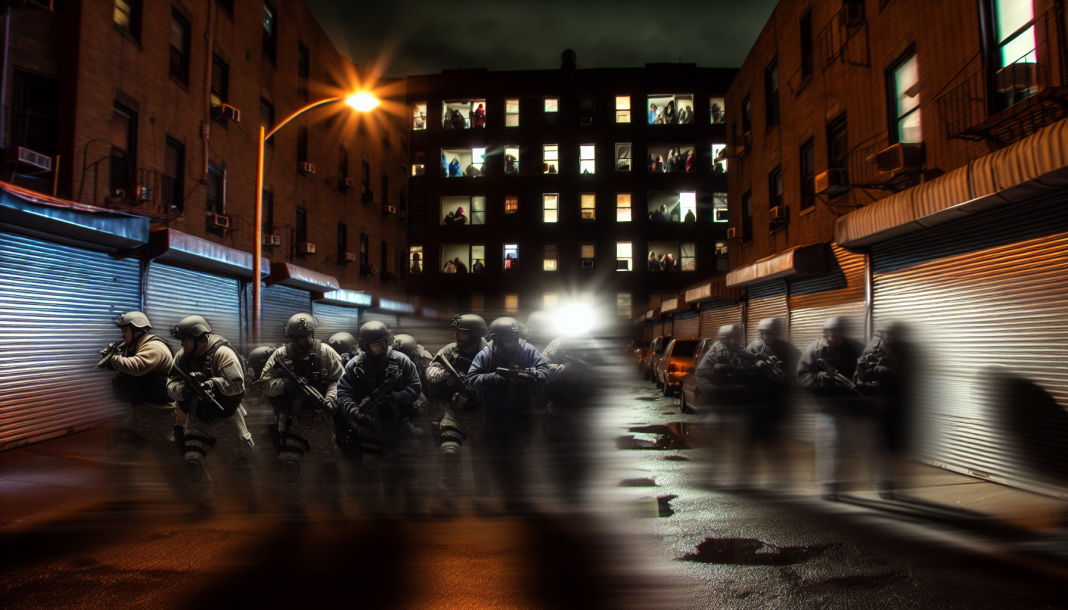

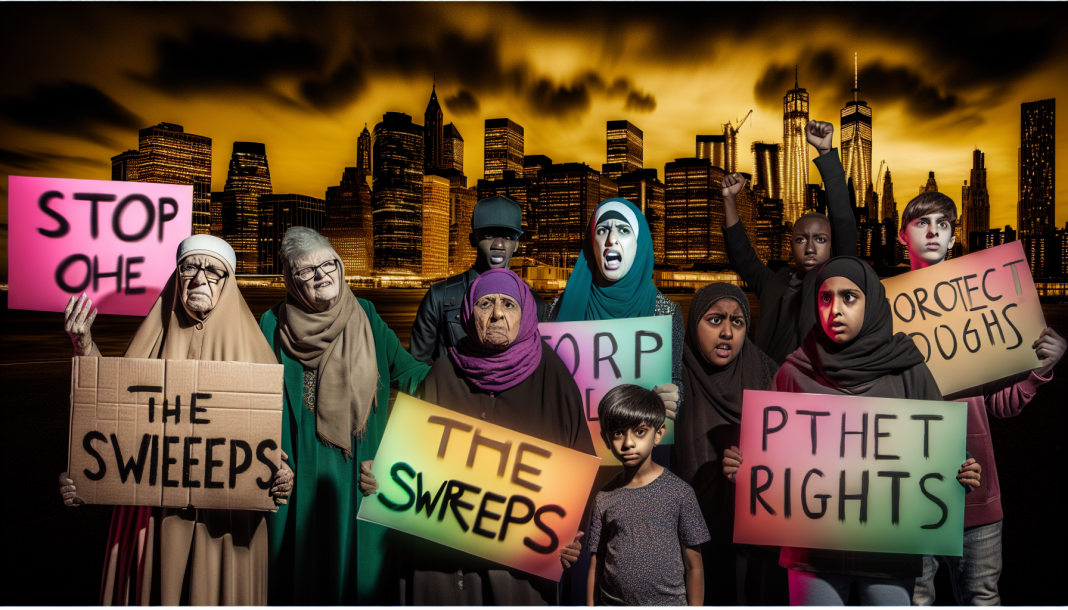
In recent months, the bustling streets of major American cities like New York and Chicago have become the backdrop for a new wave of federal immigration enforcement sweeps. As a neighborhood reporter with her finger on the community's pulse, I've been spending a fair bit of time mingling in these vibrant hubs, where the air of anticipation intertwines with whispers of unease. Despite the dazzling city lights, there is a growing cloud of concern casting shadows over the nuanced dynamics of urban living.
These expansive operations, aptly described as immigration sweeps, signal a marked shift from the more targeted approaches previously witnessed. Unlike the more precise strategies of yesteryears focused on specific individuals, these new tactics encompass entire neighborhoods and workplaces. In a city as eclectic as New York, for instance, operations have notably expanded in places like the bustling Canal Street in Manhattan’s Chinatown, a place renowned for its rich cultural tapestry.
Now, let's put this in perspective. Over 170 U.S. citizens have reportedly been ensnared in these broad nets, with chilling stories of being kicked, dragged, and detained echoing through community circles. Such reports feed into the simmering worry among civil rights advocates, who argue these sweeps violate constitutional rights and amplify the specter of racial profiling—a topic I'm sure we'll be chewing over at the next block party.
One can't discuss this without mentioning the heart-reaching backlash. Across the cityscape, protests have erupted like fireworks on an otherwise serene Fourth of July evening. The intense clashes between federal agents and civilians illustrate the profound fear and anger simmering just below the surface. In this swirl of public emotion, there's this intangible loss of trust—a wound torn into the fragile fabric of community and law enforcement collaboration.
Now, imagine the human aspect—schools doubling as sanctuaries providing solace to children grappling with the newfound void of detained parents. Here, within our cozy community schools, teachers have become unsung heroes, stepping up to offer warmth, counseling, and encouragement amidst the growing uncertainty. It's those tender stories, the kind your neighbor might whisper over a shared cup of coffee, that paint a vivid picture of families caught in the tightening web of enforcement.
New York City's response, or lack thereof, often brings a raised eyebrow. Mayor Eric Adams, maintaining a stance of "following the law," finds himself navigating murky waters, as criticism from advocates grows like an escalating crescendo of jazz notes questioning the spirit of the law versus the harsh letter of its application. Meanwhile, the New York Immigration Coalition's fervent condemnation echoes the cries of families who perceive these sweeps as terrorizing rather than protective.
As we delve into the political alleys, it gets murkier. The Supreme Court's rulings have allowed the fog of racial profiling to settle, intensifying debates on civil liberties. Unlike the past administration’s sharp focus on serious criminals, the Biden administration's sweeping approach presents stark challenges. The conversations swirling around our local coffee shops have evolved, with neighbors questioning the ethical lines of enforcement and the cost to civil rights.
And let's not brush past the legal tussles—a heated dance of appeal and contention over the broad swath these enforcement efforts cut across our urban tableau. It feels akin to watching an intricate ballet, albeit one laden with tension and a hint of foreboding, displaying the ongoing struggle over the scope of immigration law enforcement.
So here we are, caught somewhere between the folds of bustling city life and the pressing concerns of public safety, civil rights, and community trust. As our cities evolve and narratives unfold, one thing remains clear: we are living through a moment where the heart of community and the machinery of enforcement must find a common rhythm, a beat that resonates with fairness, transparency, and above all else, humanity. And as your intrepid neighborhood observer, I invite you all to stay engaged, stay informed, and most importantly, stay compassionate. After all, isn't that what makes our little piece of the cityscape so enchanting?