
Ladies and gentlemen, hold onto your social media hats, because the Group 7 TikTok trend is sweeping the globe like a journalism team in the midst of a 70s hair commercial! It all started with a little "science experiment" by the sensational singer Sophia James, who played mad scientist with our TikTok feeds and ended up creating a viral monster reminiscent of Ron Burgundy’s career-high ratings.
The "Clockwork" album-creator posted not one, not two, but seven consecutive TikToks. Each video corresponded to a group, creatively named Group 1 through Group 7. The twist? Viewers were assigned a group based on which video popped up on their feeds. Think digital sorting hat, but with fewer wizards and more influencers. Lo and behold, Group 7 emerged as the one true viral darling, grabbing more engagement than Brick’s affinity for lamps.
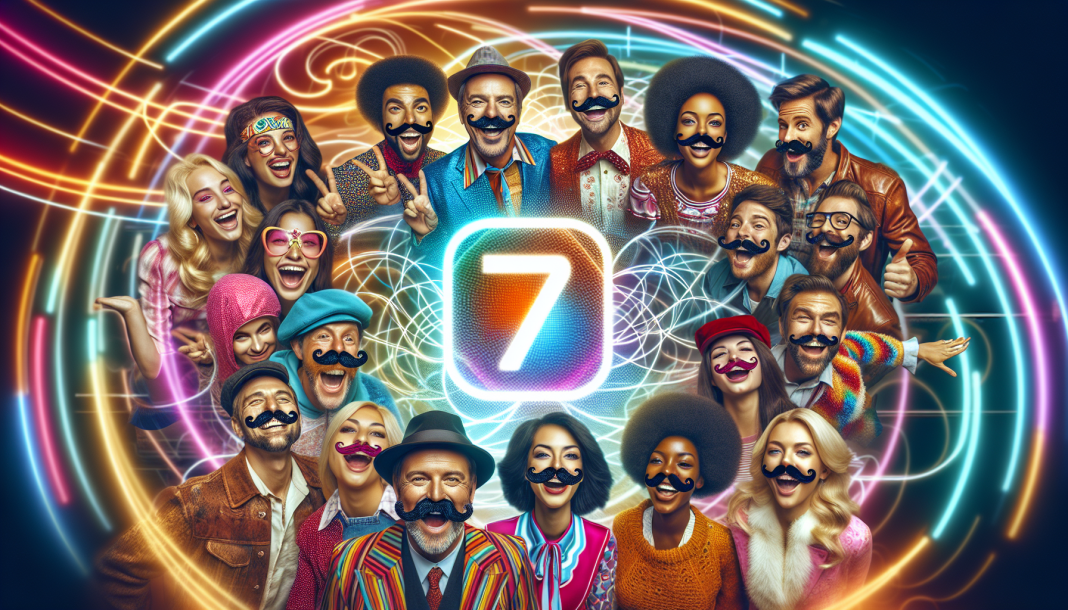
Suddenly, TikTok users from all walks of life began identifying as members of Group 7 with pride and fervor, like they were part of an exclusive news team in polyester suits. It started as an innocent experiment but quickly became the social event of the year. Memes abounded, tweets were tweeted, and Group 7 fever spread faster than news of a panda birth during a slow news cycle.
The trend didn't just stay among the TikTok masses, oh no. It caught the wind of celebrities and brands alike. Picture this: Hollywood stars Madelyn Cline and Ezra Sosa, alongside Nobel laureate Malala Yousafzai, all diving into the Group 7 chaos—though probably with more grace than a mustachioed weatherman at a pool party. Even big names like Fenty Beauty and Aveeno wanted a slice of that Group 7 pie, offering discounts faster than you can say "stay classy, San Diego."
The centerpiece of the Group 7 phenomenon was the titanic 52 million views on Sophia’s seventh video. So massive, even the bears in zone 1 couldn't ignore it. And not wanting to leave the digital craze hanging, Sophia James announced a Group 7 meetup at The Antelope pub in London. Imagine: Group 7 members gathering, likely with a very fetching choice of mustaches and blazers. There are whispers—perhaps only in the wind—that similar meetups might pop up in cities like Los Angeles. Because who doesn’t want to sip something cold and fizzy with a bunch of strangers united by an algorithm?
In the grand tradition of marketing geniuses everywhere, businesses leapt on this bandwagon faster than a network anchor pouncing on a teleprompter typo. Pizza Hut and Applebee’s dolled out discounts sweeter than Ron’s seductive jazz flute solos. Users brandishing the Group 7 code could enjoy deals that might just rival the glee of scoring an exclusive interview with a raccoon who can skateboard.
Beneath the goofy glamor and erratic euphoria, the Group 7 trend revealed a deep, human need: belonging, community, and the fond delights of being randomly special. All this from a quirky branding experiment by a pop star with an arsenal of catchy tunes.
So here we are, in October 2025, as a society divided—but mostly united—by a viral meme that broke the internet without breaking a sweat. Will anything ever be the same again? Will people continue to claim their random verdant pastures of Group 7? Ah, such matters are for history to decide or for your whimsical TikTok binge days to answer. Until then, stay viral, my friends, stay viral.